About MHHS
Office of the Minister
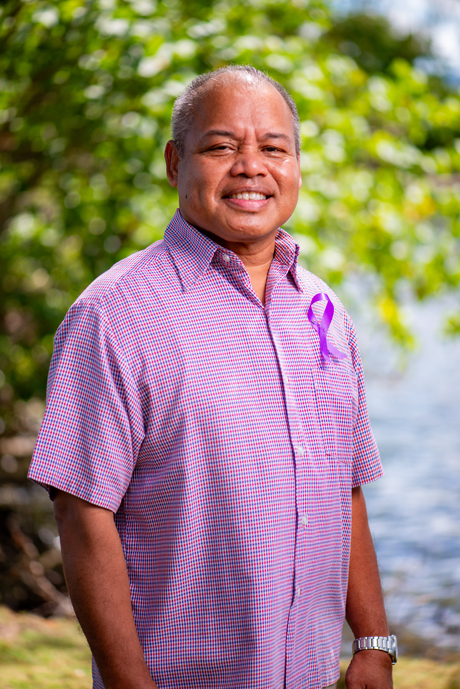
Honorable Raynold B. Oilouch
Vice President & Minister

Welcome to the official website of the Ministry of Health and Human Services.

At our Ministry, we endeavor to support the health, wellbeing, and dignity of every individual in our community. Our ministry is committed to delivering essential services, promoting public health, advancing equity, and ensuring that all people—regardless of age, background, or circumstance—can access the care and support they need.

This website is designed to be a helpful resource, whether you are looking for information on healthcare programs, mental health services, public health initiatives, or assistance for families and vulnerable populations. We encourage you to explore, stay informed, and connect with the services that matter most to you.

Our Vision
Healthy communities with access to high quality healthcare services
Our Purpose
To provide quality, comprehensive, evidence-based, accessible healthcare
Our Priorities
1. Provide accessible and high-quality patient-centered hospital services
2. Provide accessible and high-quality primary and preventive services
3. Ensure effective partnerships are developed and maintained
4. Value our people and support their growth and development
5. Ensure that our administrative and support services are accountable and sustainable
Bureau of Hospital Services (BHS)

The Bureau of Hospital Services is responsible for delivering high quality emergency, acute, and chronic clinical care. Under the leadership of the Director of Hospital Services, the Bureau manages a full range of patient services- from screening and assessment to treatment and rehabilitation. This includes diagnostic, therapeutic, preventive, and palliative care.

The Bureau also oversees all diagnostic and support services essential to hospital operations. These include laboratory testing, radiology, rehabilitation services, nutrition, infection control, hyperbaric chamber services, hemodialysis, and biomedical engineering, which ensures the maintenance and functionality of all medical equipment.

The Bureau is made up of the following Divisions:

  • Hospital Administration Office
  • Division of Ancillary Services
  • Division of Medical Services
  • Division of Nursing

The Hospital Administration Office is responsible for managing the daily operations and support services of Belau National Hospital. Led by the Hospital Administrator, this office ensures that the hospital’s facilities, equipment, and essential services run smoothly and efficiently.

Key responsibilities:
Overseeing housekeeping, safety, and accessibility throughout all hospital buildings
Managing support services such as the hospital kitchen and dietary services, laundry, and security
Procuring and maintaining medical equipment and supplies, and ensuring they meet quality standards

The Hospital Administration Office plays a vital role in creating a safe, clean, and well-equipped environment for patients, staff, and visitors.

Departments:

  • Facilities and Equipment Department
  • Food Service Department
  • Medical Supply Department
  • Medical Records Department
  • Finance and Administrative Support Department
  • Quality Assurance/Quality Improvement Office
  • Health Information Systems Department

The Division of Ancillary Services plays a key role in supporting core medical care by providing essential diagnostic, therapeutic, and recovery-related services. These services enhance the overall efficiency, accuracy, and quality of patient care at Belau National Hospital.

The Division oversees:

  • Laboratory Department– provides diagnostic testing to support clinical decision-making

  • Rehabilitation Services Department– offers physical and occupational therapy to aid recovery

Pharmacy– manages the safe dispensing of medications and supports patient treatment plans

The Division of Medical Services is responsible for overseeing key clinical areas within Belau National Hospital. These include Inpatient and Outpatient Services, the Hyperbaric Medicine Unit, Operating Room Services, the Hemodialysis Unit, Clinical Epidemiology, the Medical Referral Program, and Telemedicine Services.

Departments:

  • Inpatient and Outpatient Services
  • Clinical Epidemiology
  • Hyperbaric Medicine Unit
  • Operating Room Services
  • Emergency Room Services
  • Hemodialysis Unit
  • Medical Referral Program
  • Telemedicine Services

The Division works to:

  • Expand access to specialty care through visiting clinics and medical missions
  • Strengthen and improve local medical services and treatment options
  • Support the development of a skilled and healthy healthcare workforce

By leading these efforts, the Division of Medical Services plays a central role in improving the quality, reach, and impact of medical care for the people of Palau.

The Division of Nursing provides direct patient care and plays a critical role in ensuring the overall quality, safety, and compassion of healthcare at Belau National Hospital. This Division is responsible for managing all nursing staff and services across hospital departments, including inpatient wards, outpatient clinics, the emergency room, operating room, and specialized unit like dialysis and maternity.

Key responsibilities include:

  • Delivering round-the-clock patient care and clinical support
  • Upholding standards in nursing practice, patient safety, and infection control
  • Training and mentoring nursing staff to build a skilled, resilient workforce

With a focus on patient-centered care, the Division of Nursing is at the heart of the hospital’s healing mission.

Bureau of Public Health and Human Services (BPHHS)

The Bureau of Public Health and Human Services works to protect and improve the health and well-being of all people in Palau. Led by the Director of Public Health, the Bureau oversees essential programs and services that prevent disease, promote wellness, and provide support to individuals and families.

Key responsibilities of the Bureau include:

  1. Enforcing public health laws and regulations to protect health and ensure safety- such as sanitary codes and environmental health standards
  2. Connecting individuals and communities to primary and preventive health care services, especially where access is limited
  3. Ensuring a well-trained, competent public health workforce through education and capacity building
  4. Bringing communities together to identify and address health concerns through partnership and collective action
  5. Developing health policies and plans to support long-term public health goals and improve systems of care
  6. Evaluating the quality, accessibility, and effectiveness of public health services and programs

The Bureau oversees the following Divisions:

  • Division of Environmental Health
  • Division of Oral Health
  • Division of Primary and Preventive Health Services
  • Division of Behavioral Health
  • Division of Human Services
  • Emergency Health Program
  • Public Health Administration Office

The Division of Environmental Health works to protect and improve public health by promoting safe environments across communities in Palau. Through its specialized units, the division addresses a wide range of environmental and public health concerns- from household safety to food protection and disease prevention at the national border.

Key Units and Their Functions:

  • Community Environmental Health Development Unit
    Promotes healthier communities by supporting household and neighborhood-level activities that improve living conditions and encourage safe, clean environments. This unit also assists with community-led health projects.
  • Consumer Safety Unit
    Protect public health by monitoring restaurants, stores, and other service establishments to reduce risks and hazards. The unit also works to prevent food-borne illnesses and outbreaks.
  • Emerging Issues Unit
    Responds to new and evolving health threats, emergencies, and disasters. This unit operates in alignment with Palau’s Public Health Emergency Plan to ensure preparedness and rapid response.
  • Vector Control and Health Quarantine Unit
    Works to prevent the spread of vector-borne diseases- such as dengue or Zika- and enforces international health regulations at all points of entry to protect Palau from the introduction of emerging diseases.

The Division of Oral Health is dedicated to improving the oral health and overall well-being of the people of Palau through a combination of clinical care, community outreach, and school-based prevention programs.

Services include:

  • Clinical Dentistry at the hospital-based Dental Clinic Unit, providing routine and specialized dental treatments.
  • Community Services Unit, which conducts outreach and education campaigns to raise awareness about oral hygiene and prevent dental diseases.
  • School-Based Programs that teach children the importance of brushing, flossing, and regular check-ups to prevent tooth decay and promote lifelong oral health.
  • Dental Laboratory, supporting dental services through the creation of crowns, dentures, and other dental appliances.
  • Administrative Support Services, ensuring smooth coordination, planning, and delivery of dental programs and services.

Together, these units work to ensure access to quality dental care while promoting good oral hygiene practices across all ages.

The Division of Primary and Preventive Health is committed to delivering accessible, comprehensive, and continuous healthcare services to individuals and communities across Palau. The Division focuses on keeping people healthy by preventing illness before it becomes serious or requires advanced treatment.

With the support of dedicated team of healthcare professionals, this Division promotes healthy living through:

  • Regular check-ups and screenings
  • Health education and awareness
  • Immunizations and preventive care
  • Community-based health initiatives

By addressing health needs early and encouraging healthy habits, the Division helps individuals and families lead longer, healthier lives.

Community Health Centers (CHCs):
The Community Health Centers play a vital role in providing accessible and comprehensive healthcare services across Palau. These health centers offer a range of services that cater to the needs of individuals and families in our communities, including:

  • Prenatal Care- comprehensive care and support for expectant mothers throughout pregnancy.
  • Family Planning- services to assist individuals and couples in making informed decisions about family planning.
  • Immunizations: ensuring protection against preventable diseases for children and adults
  • Well-Baby Clinic- routine check-ups and screenings to monitor the growth and development of infants and toddlers
  • Postnatal Care- support and care for mothers and their newborns following childbirth
  • Gynecological Services (GYN)- women’s health services, including screenings and examinations
  • Breast and Cervical Cancer Screening- early detection services to promote women’s health and prevent cancer
  • Non-Communicable Disease Clinics- management and treatment of chronic diseases such as diabetes, hypertension, and heart disease
  • Walk-In Services- immediate care for non-emergency medical issues without the need for an appointment

These services are designed to provide continuous, high-quality care for individuals at all stages of life, fostering healthier communities in Palau.

Communicable Disease Unit:
The Communicable Disease Unit works to detect, prevent, and treat communicable diseases to protect the health of the people of Palau. The Unit leads efforts in surveillance, education, and care to reduce the spread of infectious diseases across the islands.

Key services include:

  • Health Education, Screening, and Testing
    Conducted in both healthcare and community settings to raise awareness and ensure early detection.
  • Disease Surveillance
    Ongoing monitoring of disease trends to inform timely responses.
  • Case Investigation and Contact Tracing
    Tracking and managing the spread of infections through targeted follow-up.
  • Care and Treatment Programs
    Management of patients with communicable diseases to ensure appropriate care and recovery.

Diseases and programs under this unit:

  • Hansen’s Disease (Leprosy)
  • HIV/AIDS Prevention and Treatment
  • Viral Hepatitis Services
  • Sexually Transmitted Infections (STIs)
  • Tuberculosis (TB) Program

By working to break the chain of transmission and ensure access to care, this Unit plays a critical role in protecting Public Health.

Family Health Unit:
The Family Health Unit is dedicated to improving the health and well-being of families across Palau by providing comprehensive, high-quality public health and medical services tailored to each stage of life- from infancy to adulthood.

Services include:

  • Gender and Reproductive Health Services
    supporting individuals and couples with family planning, fertility education, and sexual health
  • Prenatal and Postnatal Care
    providing essential care for mothers before and after childbirth to ensure healthy outcomes for both mom and bay
  • Infant and Child Health Services
    including wellness checks, immunizations, and screenings to support early development
  • Children with Special Health Care Needs (CSHCN)
    coordinated care and support for children with chronic or complex health conditions
  • Early Hearing Detection and Intervention
    Identifying and addressing hearing issues early to support speech and learning development
  • Adolescent Health Services
    Promoting physical, mental, and emotional health of youth through age-appropriate services
  • Male Health Clinic
    Offering tailored health services for men, including preventive care and education

Through a life-course approach, the Family Health Unit helps ensure that individuals and families in Palau receive the care and support they need to lead healthy, fulfilling lives.

Home Health and Geriatric Unit
The Home Health and Geriatric Unit provides essential healthcare services to elderly and homebound individuals, ensuring they receive continuous, quality care in the comfort of their own homes. The unit focuses on promoting independence, managing chronic conditions, and improving the quality of life for geriatric patients through personalized care plans, regular home visits, and coordination with families and caregivers. By bridging clinical services with community-based support, the unit plays a critical role in supporting aging populations and reducing unnecessary hospitalization.

Immunization Program
The Immunization Program works to protect individuals and the entire community from preventable infectious diseases by providing safe and effective vaccines. Through routine immunizations and outreach efforts, the program helps:

  • Prevent illness and complications
  • Reduce the spread of contagious diseases
  • Promote long-term community health

Non-Communicable Disease Unit
The NCD Unit leads efforts to prevent, manage, and treat non-communicable diseases- long-term health conditions that are not spread from person to person, such as diabetes, heart diseases, hypertension, and cancer. These diseases are among the leading causes of illness and death in Palau.

The Unit works to:

  • Promote healthy lifestyles
  • Provide early detection and screening services
  • Support chronic disease management
  • Raise community awareness through education and outreach

By addressing the root causes and risk factors, the NCD Unit aims to improve quality of life and reduce the overall burden of disease in our communities.

The Division of Behavioral Health provides comprehensive, culturally informed mental health and substance use services to support the well-being of individuals, families, and communities across Palau. Formerly known as the Division of Mental Health, it operates under PNC Title 34, Chapter 5, and is committed to protecting the rights of persons with disabilities while delivering a full continuum of care across the lifespan.

The Division’s mission is to promote mental health, prevent substance misuse, and provide recovery-focused services that allow individuals to thrive and communities to be supportive and resilient.

Key Units and Their Functions:

  • Prevention Unit
    Implements evidence-based programs to reduce the onset of alcohol, tobacco, and other drug use, promote violence prevention and injury prevention, and encourage healthy community norms and behaviors.
  • Behavioral Health Promotion Unit
    Promotes mental well-being and community resilience by strengthening protective factors and increasing the availability of licensed mental health and addiction professionals. Supports SBIRT (Screening, Brief Intervention, and Referral to Treatment) practices.
  • Addictions Unit
    Provides outpatient addiction services including individual and group therapy, the Matrix Model program, psychiatric support, motivational interviewing, and community-based support groups.
  • Mental Health Unit
    Offers psychiatric care and counseling services for individuals experiencing mental illness. Services include medication management, psychotherapy, family and marriage therapy, early psychosis intervention, court-ordered evaluations, and opioid-use disorder support.
  • Trauma and Crisis Unit
    A newly established unit focused on addressing community-wide trauma and emergency mental health needs through responsive crisis intervention services.
  • Spiritual Health Unit
    Recognizes the role of spiritual well-being in holistic health. This unit collaborates with faith-based organizations to integrate spiritual support into health care and healing practices.
  • Recovery Unit
    Provides clients with structured, skill-building opportunities to support independence, self-worth, and long-term recovery. Activities include psychosocial education, vocational training, and employment readiness programs.
  • Community Health Worker (CHW) Training Program
    Trains community members to become frontline public health advocates. The program equips CHWs with skills in health education, outreach, patient support, data collection, and public health advocacy.

The Division of Human Services (DHS) provides a wide range of social support services designed to protect and empower vulnerable individuals, families, and communities in Palau. Through a holistic approach, DHS promotes personal and social well-being by restoring social functioning, improving access to essential services, and preventing social challenges before they arise.

DHS operates the following key Units:

  • Aging Unit
  • Disability Unit
  • Family Services Unit
  • Community Support Unit

Core Responsibilities:

  • Develop and manage services that support vulnerable populations, including children, seniors, persons with disabilities, and families in crisis
  • Enforce the Family Protection Act to safeguard individuals affected by domestic violence and abuse
  • Operate the Senior Citizens Center and Ormuul Gift Shop as a part of elder care and community engagement
  • Facilitating parenting support, life skill training, delinquency prevention, and community enrichment programs
  • Provide crisis intervention and reintegration services for individuals and families in need
  • Manage the Palau Severely Disabled Assistance Fund
  • Operate a Transitional Facility offering short-term residential care and support for those in temporary crisis

The Division of Human Services is committed to strengthening community resilience and ensuring that every person in Palau has the opportunity to lead a safe, healthy, and fulfilling life.

Aging Unit:
The Aging Unit offers a welcoming and supportive space where seniors can come together to connect, share stories, and enjoy meaningful daily activities. While the activities are simple, the impact is significant- providing our elders with companionship, a sense of purpose, and a reason to look forward to each day. Many participants have expressed that staying home can feel isolating and make the days feel longer. Through this Unit, they gain access to a community that values them, where they feel seen, heard, and appreciated.

Community Support Unit:
The Community Support Unit focuses on strengthening communities by providing supportive services that promote resilience, personal growth, and social well-being. This unit works with individuals and families facing life challenges. Through community enrichment activities and partnerships, the Unit fosters a network of care that helps people regain independence and thrive.

Disability Unit:
The Disability Unit is dedicated to supporting individuals in Palau who are living with severe disabilities. One of its key responsibilities is administering the Palau Severely Disabled Assistance Fund (as outlined in Title 34 PNC § 8501), which provides monthly financial assistance to eligible individuals who are homebound, require 24-hour care, are wheelchair-bound, or are blind. This assistance is designed to help meet essential needs and improve the overall quality of life for people with disabilities, recognizing the importance of dignity, support, and independence for all members of our community.

Family Services Unit:
The Family Service Unit is committed to protecting and empowering individuals and families affected by violence and abuse. It plays a vital role in implementing the Family Protection Act, offering support services to victims, and connecting them with resources and referrals. The Unit also provides counseling, facilitates support groups, and works closely with partner agencies to ensure the safety and well-being of children who are victims of abuse. Through education, advocacy, and collaboration, the unit promotes strong, healthy families and works to prevent violence in all forms.

Ritter Udui
Program Manager

The Emergency Health Program is responsible for ensuring timely and effective medical response during emergencies, disasters, and mass casualty events. It provides pre-hospital care, coordinates emergency medical services (EMS), and strengthens the health system’s preparedness and response capabilities. The program works closely with hospitals, clinics, and first responders to deliver life-saving care, conduct emergency drills, and implement disaster risk reduction strategies. Its goal is to safeguard public health through rapid, coordinated, and resilient emergency medical response.

Bureau of Health Systems Administration (BHSA)

The Bureau of Health System Administration serves as a backbone of the Ministry of Health and Human Services (MHHS), ensuring efficient management and coordination of essential support systems. It oversees financial operations, health information systems, policy development, and workforce capacity building. The Bureau is composed of four key divisions:

  • Division of Health Policy, Research, and Development
  • Division of Health Information and Intelligence
  • Division of Budget and Finance
  • Professional Development Center

Community Advocacy Unit
The Community Advocacy Unit focuses on engaging, educating, and empowering communities to actively participate in improving public health outcomes. Through outreach, partnerships, and culturally appropriate messaging, the unit promotes health literacy, encourages healthy behaviors, and ensures community voices are reflected in health planning and policies. It plays a vital role in building trust between the Ministry of Health and Human Services and the public, strengthening collaboration and community-driven health initiatives.

Health Planning and Development Unit
The Health Planning and Development Unit is responsible for shaping the strategic direction of the Ministry of Health and Human Services through comprehensive health planning, program development, and system strengthening. The unit conducts needs assessments, develops long-term health plans, and supports the implementation of initiatives aimed at improving healthcare access, quality, and sustainability. By aligning resources and priorities, the unit ensures that health services evolve to meet the changing needs of the population.

Health Policy, Research, and Development Unit
The Health Policy and Research Unit leads the development, analysis, and evaluation of health policies to inform decision-making and promote effective, evidence-based governance within the Ministry of Health and Human Services. The unit conducts health systems research, monitors policy implementation, and collaborates with stakeholders to ensure that health policies are responsive, equitable, and aligned with national priorities. By translating data into action, it supports the continuous improvement of Palau’s health system.

Global Health Unit
The Global Health Unit coordinates the Ministry of Health and Human Services’ engagement with international health organizations, partners, and initiatives. It focuses on addressing transnational health issues, strengthening global health security, and facilitating collaboration on disease prevention, health promotion, and capacity building. The unit ensures that Palau’s health policies and programs align with global standards and benefit from international expertise and resources.

Oversees Epidemiology, Medical Records, Health Information Systems, and the Ministry’s reporting. The Division shall be responsible for the following: update, maintain, and ensure confidentiality of medical records and vital statistics; manage and coordinate healthcare systems technology (i.e. software, electronic records systems, lab reporting, etc.)

Information, Technology, and Communication Center
The Information, Technology, and Communication Unit is responsible for managing and supporting all health-related information systems and technology infrastructure within the Ministry of Health and Human Services. This unit ensures the secure and efficient operation of electronic medical records, software applications, network systems, and communication tools across health facilities. It plays a key role in advancing digital health, maintaining data integrity, and enhancing connectivity to support clinical services, reporting, and decision-making throughout the health system.

Medical Records Unit
The Medical Records Unit is responsible for the accurate documentation, secure storage, and confidentiality of patient health records within the Ministry of Health and Human Services. It ensures that medical records are properly maintained, updated, and accessible to authorized personnel to support patient care, legal requirements, and health reporting. The unit plays a critical role in safeguarding patient information, managing vital statistics, and contributing to the overall quality and continuity of healthcare services.

Epidemiology Unit
The Epidemiology Unit is responsible for monitoring, investigating, and analyzing patterns of diseases and health conditions within the population. It plays a vital role in public health surveillance, outbreak detection and response, and the collection and interpretation of health data to guide evidence-based decision-making. Through continuous monitoring and collaboration with other health units, the Epidemiology Unit helps inform policy, strengthen disease prevention strategies, and protect the health and well-being of communities.

Administrative Support Team
The Administrative Support Team provides essential clerical, logistical, and operational support to ensure the smooth functioning of the Division of Health Information and Intelligence. This team assists with scheduling, documentation, communication, and coordination among units, helping to streamline workflows and maintain organized, efficient operations. By handling day-to-day administrative tasks, the team enables technical staff to focus on core health information and intelligence functions, contributing to the division’s overall effectiveness and responsiveness.

Oversees all financial and budget matters, asset, and project management of MHHS. The Division shall be responsible for the following: prepare, monitor, manage, and report ministry budget as well as financial activities and status and service fees and revenues as well as financial billing and collections activities

  • MHHS Budget and Finance Unit
  • Project and Asset Management Unit

Exists in order to help the MHHS achieve its stated goals and purpose by performing several key roles: Service and Administrative Role, Monitoring and Reviewing, Executive Role, Facilitation Role, and Consultancy Role

Workforce Development Office
The Workforce Development Office is dedicated to building and strengthening the skills, knowledge, and capacity of the Ministry of Health and Human Services’ staff. It oversees training programs, professional development opportunities, and career advancement initiatives to ensure a competent and motivated health workforce. By fostering continuous learning and supporting staff growth, the office contributes to the overall effectiveness and sustainability of health services in Palau.

Human Resource Office
The Human Resource Office manages all aspects of workforce administration within the Ministry of Health and Human Services, including recruitment, staffing, employee relations, performance management, and compliance with labor regulations. It supports a positive work environment by implementing policies and programs that promote employee well-being, fairness, and professional growth. The office plays a key role in attracting, retaining, and developing a skilled health workforce to meet the ministry’s mission and goals.

Boards, Committees, and Advisory Councils
  • Palau License Board
  • Palau IRB
  • NCD Collaborative
  • Data Modernization Advisory Council